
Overlay attacks: The hidden payment security threat retailers can’t afford to miss
Executive Summary
Overlay attacks let criminals capture card data and PINs through a fraudulent attachment on a payment terminal that still works normally, so they can go unnoticed. The fallout includes financial loss, checkout disruption, lost customer trust, and compliance exposure. Retailers can reduce the risk with a layered approach: consistent physical security practices, tamper-resistant hardware with overlay detection, and centralized device oversight.
A payment terminal can process every transaction successfully and still be compromised.
For retailers, that's what makes overlay attacks particularly difficult to detect. Customers complete their purchases, transactions are approved, and store operations continue uninterrupted. Yet a fraudulent device attached to a legitimate payment terminal could be capturing sensitive card information or PINs without anyone noticing.
Unlike cyberattacks that target networks or software, overlay attacks exploit the physical payment environment. As a result, protecting the integrity of payment devices becomes increasingly important.
Here's what retailers need to know about overlay attacks, the risks they create, and how to build a more proactive approach to payment security.
What are overlay attacks?
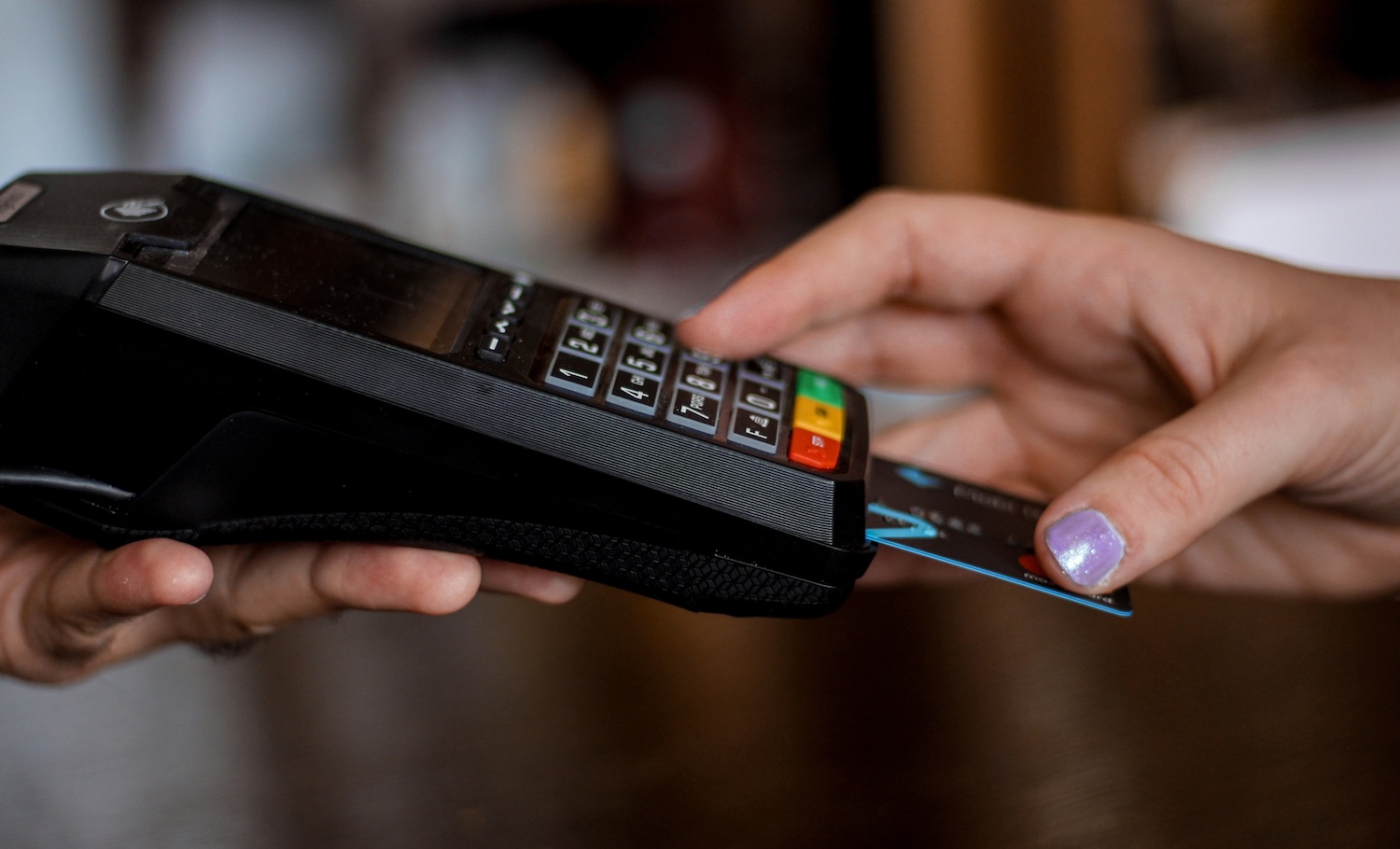
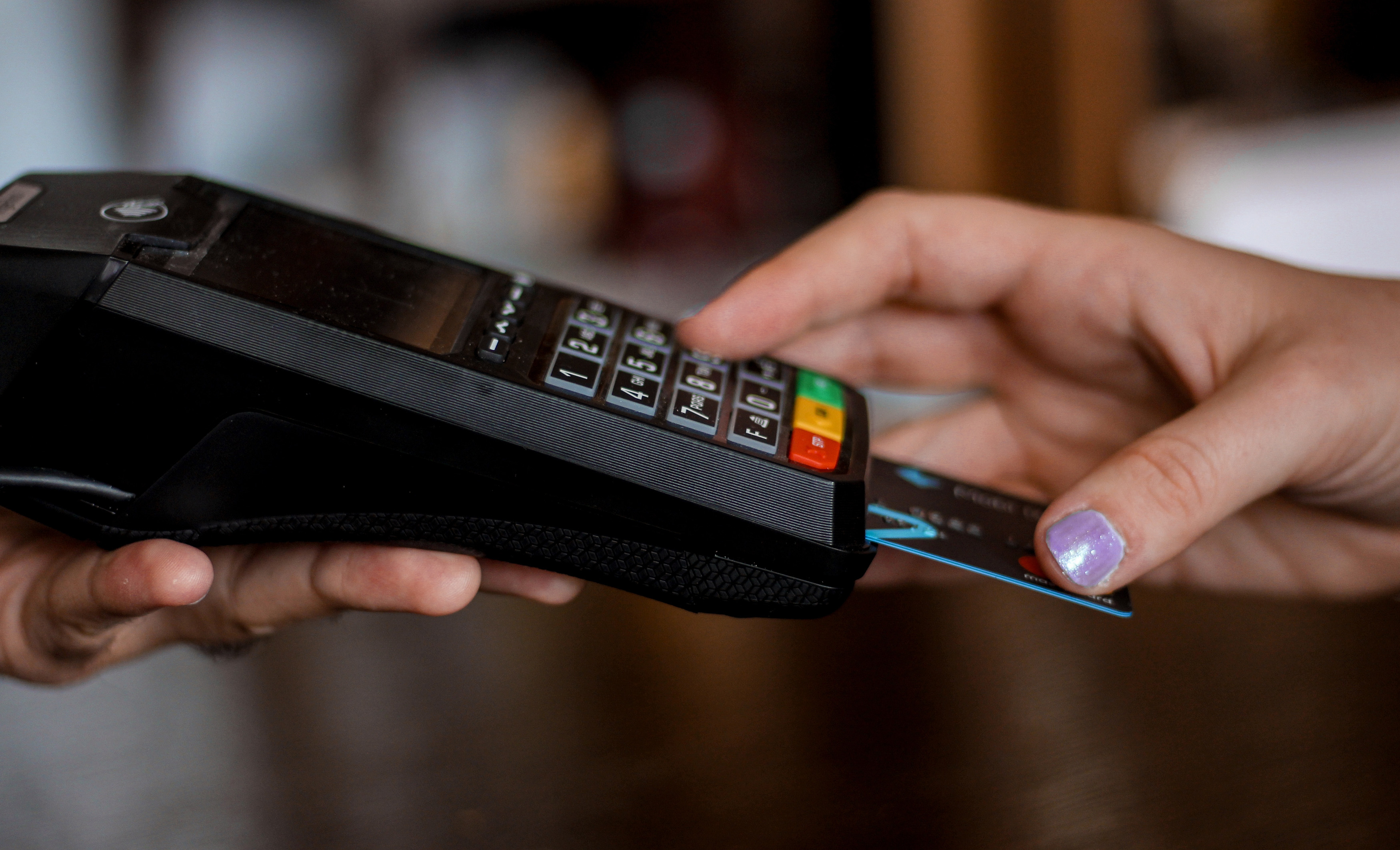
An overlay attack occurs when a criminal places a fraudulent component over part or all of a legitimate payment terminal to capture sensitive payment information.
These devices are designed to blend in. Some fit directly over a PIN pad to record keystrokes, while others incorporate card-reading components that can capture data from a card's magnetic stripe. Advances in 3D printing can also make it easier to produce customized attachments that closely resemble legitimate payment hardware, making fraudulent devices harder to spot.
Because the legitimate terminal can continue processing payments underneath the fraudulent attachment, an attack may go unnoticed during normal operations.
While overlay-specific attack figures are limited, broader payment skimming data underscores the importance of vigilance. According to FICO, reported debit card compromise events increased 46% in the second half of 2024 compared with the first half, while the number of compromised debit cards rose 30% over the same period.
As retailers expand self-checkout and unattended payment experiences, physical access to payment terminals becomes an increasingly important security consideration. Devices positioned away from direct employee supervision may create opportunities for criminals to install or remove fraudulent attachments without drawing attention.
But the vulnerability isn’t limited to self-checkout. How and where payment devices are deployed, monitored, and maintained can be just as important as the security features built into the hardware itself.
The underlying challenge is straightforward: A functioning payment terminal isn’t necessarily a secure payment terminal.
For retailers managing dozens, hundreds, or thousands of payment devices, maintaining physical security across every location requires more than occasional visual checks.
The business impact of overlay attacks
The consequences of a compromised payment terminal can extend well beyond the immediate theft of payment information.
Financial exposure and remediation costs: Stolen payment data can contribute to fraudulent transactions, customer disputes, and potential financial liabilities. Investigating a suspected compromise may also require forensic analysis, device replacement, security assessments, and coordination with payment partners.
Operational disruption: When a terminal is suspected of being compromised, it may need to be removed from service while the incident is investigated. Retailers must determine whether other devices have been affected, arrange replacements, and restore secure payment acceptance.
For high-volume stores, even a short interruption at checkout can create longer lines, lost sales opportunities, and additional pressure on employees.
Customer trust and brand reputation: Customers expect their payment information to be protected. A security incident can undermine that confidence, particularly when sensitive information is exposed through a device customers believed was safe to use.
Rebuilding trust can take considerably longer than resolving the immediate technical issue.
Compliance and security obligations: A suspected payment data compromise may trigger investigation, reporting, and remediation requirements under applicable payment card industry standards, payment network rules, and relevant laws.
Depending on the circumstances, retailers may face additional assessments, financial penalties, or obligations to demonstrate that appropriate corrective measures have been implemented.
Why payment security is an operational priority
For retailers, payment security has traditionally been viewed through the lens of fraud prevention and compliance. But its role extends further.
Every payment device is part of the customer experience. When those devices are compromised or taken offline, the consequences affect checkout efficiency, store operations, and customer confidence.
That makes physical payment security an important component of operational resilience.
As retailers introduce new checkout formats and manage larger payment fleets, they need consistent security practices that extend across devices and locations.
The objective isn't simply to respond when something goes wrong. It's to establish the visibility, controls, and processes needed to identify potential threats early and minimize their impact.
Security should be built into how retailers operate their payment environments, not treated as a separate activity.
Three ways retailers can reduce the risk of overlay attacks
No single security measure can eliminate the risk of physical payment fraud. A layered approach combining secure hardware, regular inspections, employee awareness, and centralized oversight provides a stronger foundation for identifying and responding to potential threats.
Here are three practices retailers can implement to strengthen their defenses.
1. Establish consistent physical security practices
Regular inspections, employee awareness, and controlled access to payment devices are essential to reducing the risk of overlay attacks.
Retailers should establish routine inspection procedures and train employees to recognize signs of tampering, including loose components, unexpected attachments, raised edges, or changes to a terminal's appearance.
Maintaining an accurate device inventory and reference images of approved hardware can help teams identify unauthorized modifications or replacements.
Physical access controls are equally important. Retailers should verify service technician credentials, secure out-of-service devices, and document hardware changes.
Employees should also know how to escalate suspected tampering, including removing affected terminals from service and notifying the appropriate security or support teams.
Together, these practices make physical device security part of everyday operations rather than an activity reserved for security incidents.
2. Invest in payment technology with built-in security protections
Not all payment terminals offer the same security capabilities. When modernizing their payment environments, retailers should prioritize devices designed with physical and logical security protections, including PCI-approved hardware, tamper-resistant design, and secure payment processing.
Certain Verifone payment devices, such as M425 and M450, also offer overlay detection capabilities designed to help identify fraudulent attachments. These features provide an additional layer of protection against physical tampering, complementing routine inspections and employee awareness.
No single security feature can eliminate every physical threat. Retailers should understand the capabilities and limitations of their payment hardware and combine technology-based protections with consistent operational safeguards
3. Establish centralized device visibility and incident response
For retailers operating across multiple locations, payment security becomes increasingly difficult to manage without consistent oversight.
Robust device management capabilities can help IT and operations teams maintain visibility across their payment estate, track device configurations, deploy supported updates, and identify certain operational anomalies.
These capabilities should complement, rather than replace, physical inspections and established security procedures.
Retailers should also have a documented response plan for suspected device compromise, including how to remove affected terminals from service, preserve evidence, notify the appropriate partners, and restore secure payment acceptance.
The faster teams can coordinate a response, the better positioned they are to contain disruption and protect customers.
Build payment security into every checkout experience
Overlay attacks expose an important gap in retail payment security: a terminal can appear to be working perfectly while its integrity has been compromised.
As checkout environments become more diverse and distributed, retailers need a layered approach that combines secure payment technology, employee awareness, physical security practices, and consistent oversight across the payment estate.
Verifone helps retailers build secure, reliable payment environments with payment technology designed for the demands of modern commerce.
Because securing the transaction is only part of the equation. Protecting the device where it begins matters just as much.
Take a layered approach to payment security
Protecting payment devices is only one part of securing the checkout experience. Explore our best practices in in-store payment security infographic to discover nine layers of protection that help safeguard transactions, devices, and sensitive payment data.
About Verifone


