Bringing enterprise-grade payments to temporary environments

Executive Summary
Pop-ups and events demand the same performance as permanent retail, but often lack the infrastructure to support it. Learn how Verifone and Fello enable secure, scalable payments that are ready to deploy and built for high-demand environments.
How Verifone and Fello are redefining what reliable, secure payments look like beyond the store
Pop-ups and events are no longer edge cases. They are becoming a core part of how brands grow.
From product launches and seasonal retail to festivals and multi-city activations, these environments concentrate demand into short, high-impact windows. They create opportunities to drive discovery, engage new audiences, and generate revenue outside of traditional store formats.
At the same time, expectations for the customer payment experience have not changed. Shoppers expect checkout to be fast, secure, and familiar, regardless of where the transaction takes place. The challenge is that the infrastructure supporting these environments often has not kept pace.
Temporary environment, permanent expectations
Customers do not adjust their expectations based on location. Whether they are in a flagship store or a one-day activation, they expect the same level of performance and reliability.
That consistency can be difficult to achieve when payments are treated as an afterthought. Devices may arrive unconfigured, systems may not align with existing POS environments, and connectivity or support can be inconsistent. In many cases, setup timelines do not match the pace required for event-driven commerce.
In high-volume environments, these gaps become visible quickly. Slower lines, failed transactions, and operational friction can directly impact revenue and customer satisfaction.
From workaround to operating model
What is changing is how businesses approach these environments.
Rather than treating events and pop-ups as exceptions, leading brands are beginning to operationalize them. They are applying the same systems, standards, and performance expectations that exist in-store to every environment where they engage customers.
Supporting that shift requires a different model for payments. Infrastructure must be pre-configured to existing payment ecosystems, deployable within tight timeframes, scalable across locations, and supported throughout the entire lifecycle of the event.
This is where the partnership between Verifone and Fello becomes relevant.
Enterprise-grade, without the overhead
Together, Together, Verifone and Fello enable businesses to deploy payment infrastructure that is ready for use as soon as it arrives.
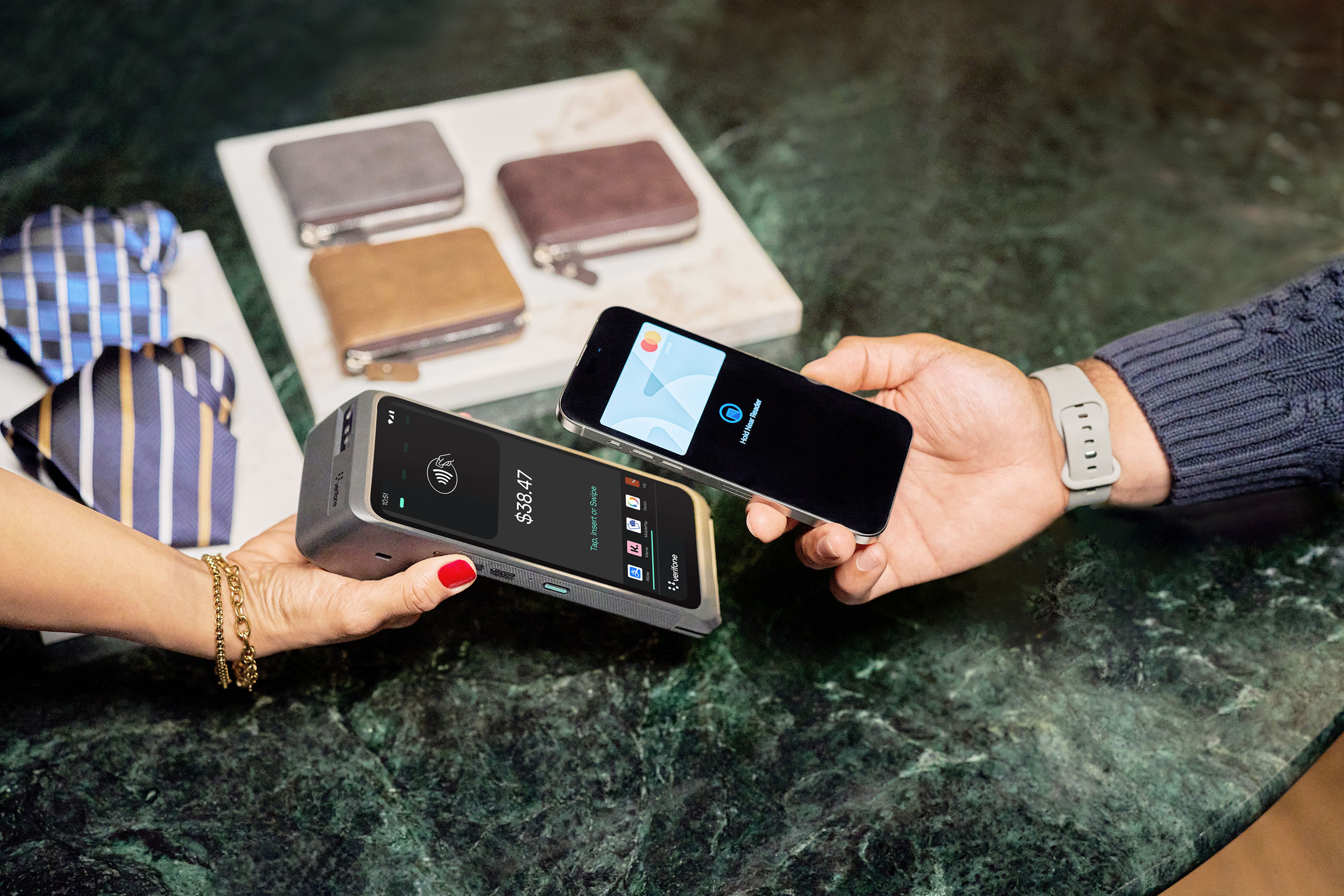
Fello provides Verifone devices that are pre-configured to each merchant’s POS and payment environment, fully tested and provisioned in advance. Logistics, connectivity, and support are managed end-to-end, allowing teams to focus on execution rather than setup.
As Schneur Landa, CEO of Fello, explains: “Businesses can’t afford to wait weeks or months to deploy payment systems anymore. They need solutions that can go live anywhere, almost instantly.”
This approach removes the need to invest in and manage hardware for environments that may only operate for a limited period of time. It also allows businesses to extend their existing payment experiences into new contexts while maintaining alignment with venue requirements and existing systems.
As a result, organizations can scale deployments based on demand while maintaining consistent performance and reducing operational complexity.
Consistency as a foundation for scale
While speed of deployment is important, consistency is what ultimately defines the customer experience.
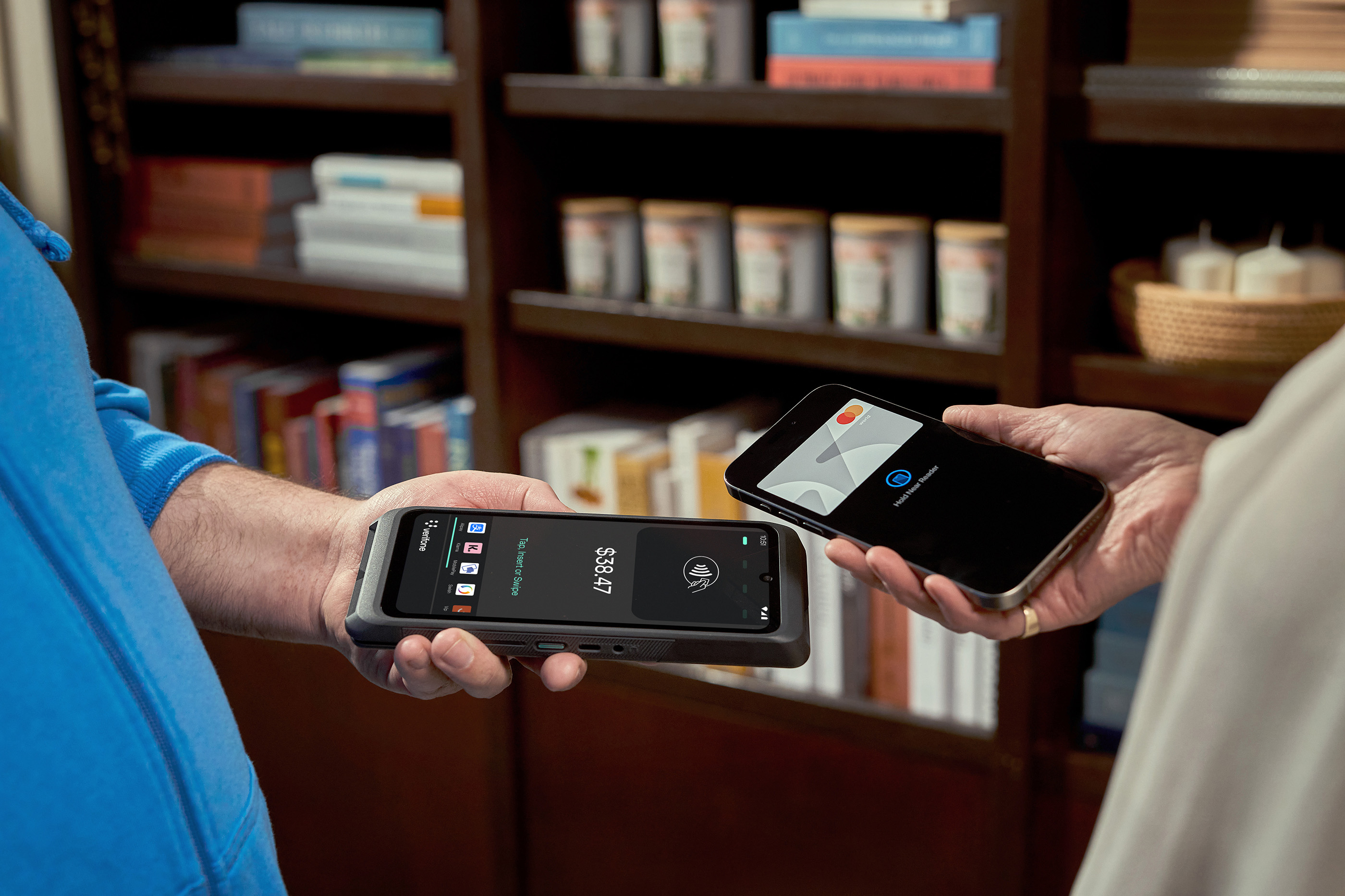
Verifone’s global ecosystem enables merchants to operate within their preferred payment workflows, even in temporary environments. This ensures that the experience customers recognize in-store can be delivered consistently across different formats and locations.
In high-pressure environments, where transaction volume and customer expectations are elevated, that consistency becomes critical.
James Carrigan, EVP at Verifone, said: “We’re extending the reach of Verifone’s payment solutions to businesses operating under tight timelines and real-world constraints, making it easier to transact securely wherever commerce takes them.”
Expanding where and how commerce happens
For merchants, this model enables more than operational flexibility.
It creates a pathway to test new markets without long-term infrastructure investment, activate retail in high-traffic environments, and capture demand at moments of peak intent. It also allows brands to extend their presence beyond fixed locations while maintaining a consistent experience.
For payment platforms and partners, it provides the ability to support merchants across a wider range of use cases, unlock additional transaction volume, and expand into new environments without building operational infrastructure from the ground up.
The shift underway
Commerce is no longer confined to a single location. It moves across cities, venues, and formats, and the infrastructure supporting it must be able to do the same.
Temporary environments will continue to grow in importance. The organizations that succeed will be those that apply the same level of operational rigor to these environments as they do to their core retail footprint. Rather than treating them as exceptions, they will treat them as extensions of their broader commerce strategy.
Learn how Verifone and Fello are enabling secure, scalable payments across events, pop-ups, and beyond.
About Verifone