The cost of payment system downtime and how to minimize risk
A frozen POS costs more per hour than a broken nozzle, and most operators don't have a plan for it.
Get the resource
Gas stations and c-stores generated $341.2 billion in 2025, averaging 1,484 transactions a day at the pump and inside the store. That volume is exactly why a few minutes of payment downtime can turn into a direct hit to revenue and a lasting hit to your brand.
For independent operators, multisite chains, and the vendors who support them, payment downtime isn't a rare inconvenience. It's a recurring risk with a real dollar figure attached, made worse by fragmented tech stacks where no single vendor owns the fix.
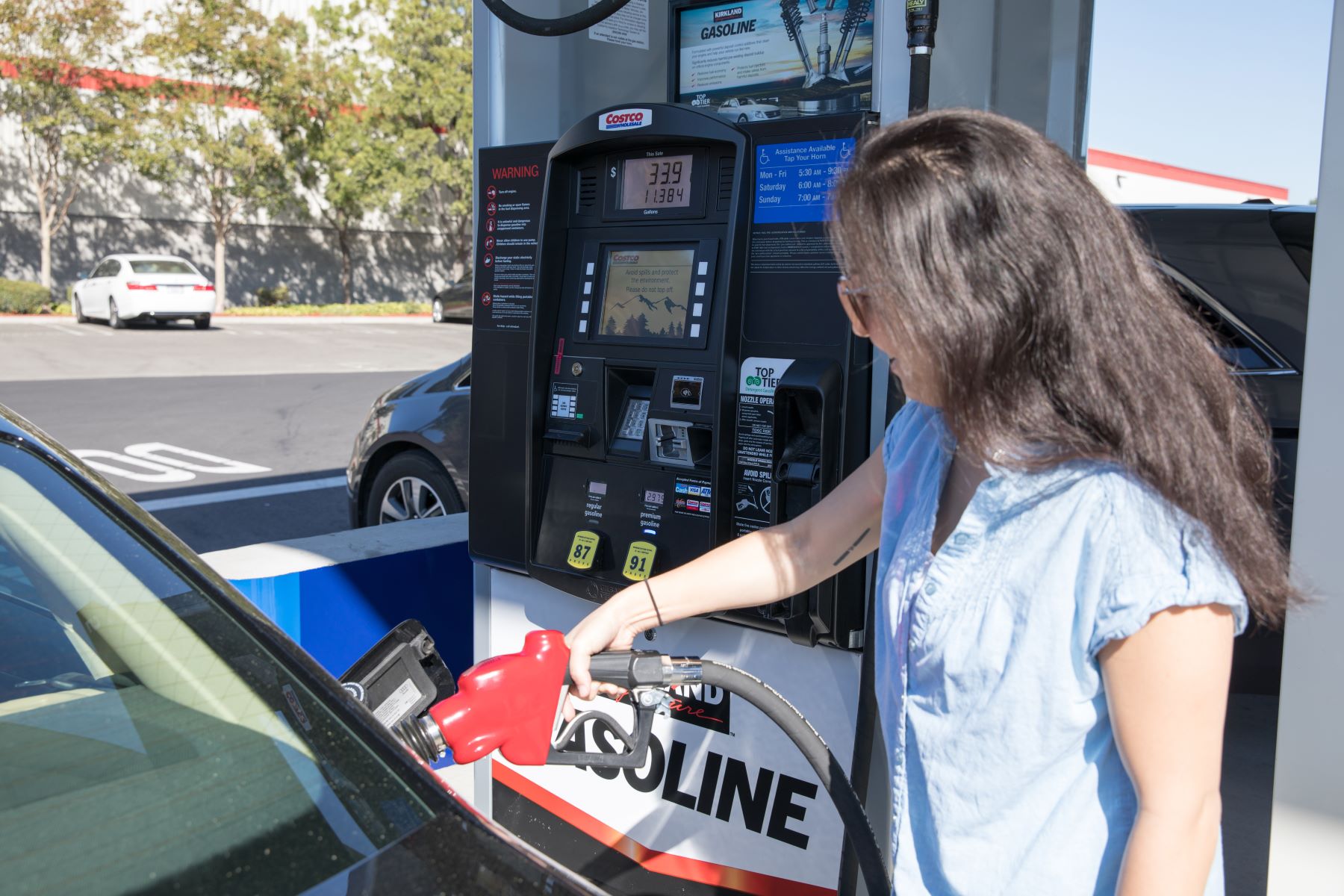
A POS outage can cost a station $750 an hour at the pump alone, and that's before factoring in lost c-store sales, which account for the majority of gross profit at these locations.
This eBook breaks down what payment downtime actually costs petro operators, why the "accountability gap" makes outages worse, and the framework for reducing downtime risk without a disruptive overhaul.
What you'll learn
What changes when your payment infrastructure is unified
Fewer vendors mean faster resolution when something breaks. Active monitoring catches problems before a customer does. Compliance becomes a shared responsibility instead of a solo burden. And integrated infrastructure gives operators a way to actually measure uptime and recovery time, instead of guessing at the return on modernizing.
See what a unified payment infrastructure looks like in practice, and what it takes to get there without shutting down your pumps to do it.
Frequently Asked Questions
- How much does payment system downtime cost a gas station per hour?
With the average gas station selling about 4,000 gallons of gas per day, at $4.50 per gallon, that would mean a $750 loss in revenue at the pump in one hour from POS downtime. However, because fuel sales only account for 38.8% of gross profit dollars at c-stores, the loss can be much higher when factoring in lost c-store sales, brand reputation damage, and loss of repeat business.
- How can a gas station owner minimize the risk of payment system downtime?
To minimize payment system downtime, gas station and c-store operators should follow a proactive framework. First, create an asset inventory for all hardware including make, model, firmware, installation, and service dates. Next, establish a regular software update schedule and assign ownership to a team member, and use tools and tests to detect early warning signs of downtime risks. Finally, document all vendor information and evaluate the costs and benefits of switching from a fragmented tech stack to a single unified provider.
- What causes payment terminals to go offline at gas stations?
Gas station payment terminals can go offline for a number of reasons, some preventable and some not. These include hardware damage from environmental factors like weather, by using a fragmented vendor stack.
- What should I look for in a petro payment system to ensure maximum uptime?
When exploring petro payment systems to improve uptime and your payment environment in general, look for key attributes including: certifications, single-vendor accountability, remote monitoring, and mixed-dispenser support. It’s also important to ask plenty of questions, request to speak with current customers, and look for transparency when reviewing potential contracts.
Discover More Resources and Get Inspired
-resized.jpg)
How Commander Payments connects forecourt payments with in-store and cloud operations

About Us