Why CDPs won't save your customer experience, and what will

Executive Summary
- Customer data platforms are retrospective by design. In physical retail, a shopper stays unknown until the card swipe, after every personalization window has closed, so a bigger CDP or cleaner data won’t fix the CX gap.
- Closing it takes a real-time, identity-based payments infrastructure. Tokenization and biometrics recognize customers before they pay, and unify loyalty, ordering, and payment into a single transaction.
Customer data platforms (CDP) fail to improve CX because they are retrospective tools. Your CDP knows what a shopper did last Tuesday. It has no idea who is standing at your register.
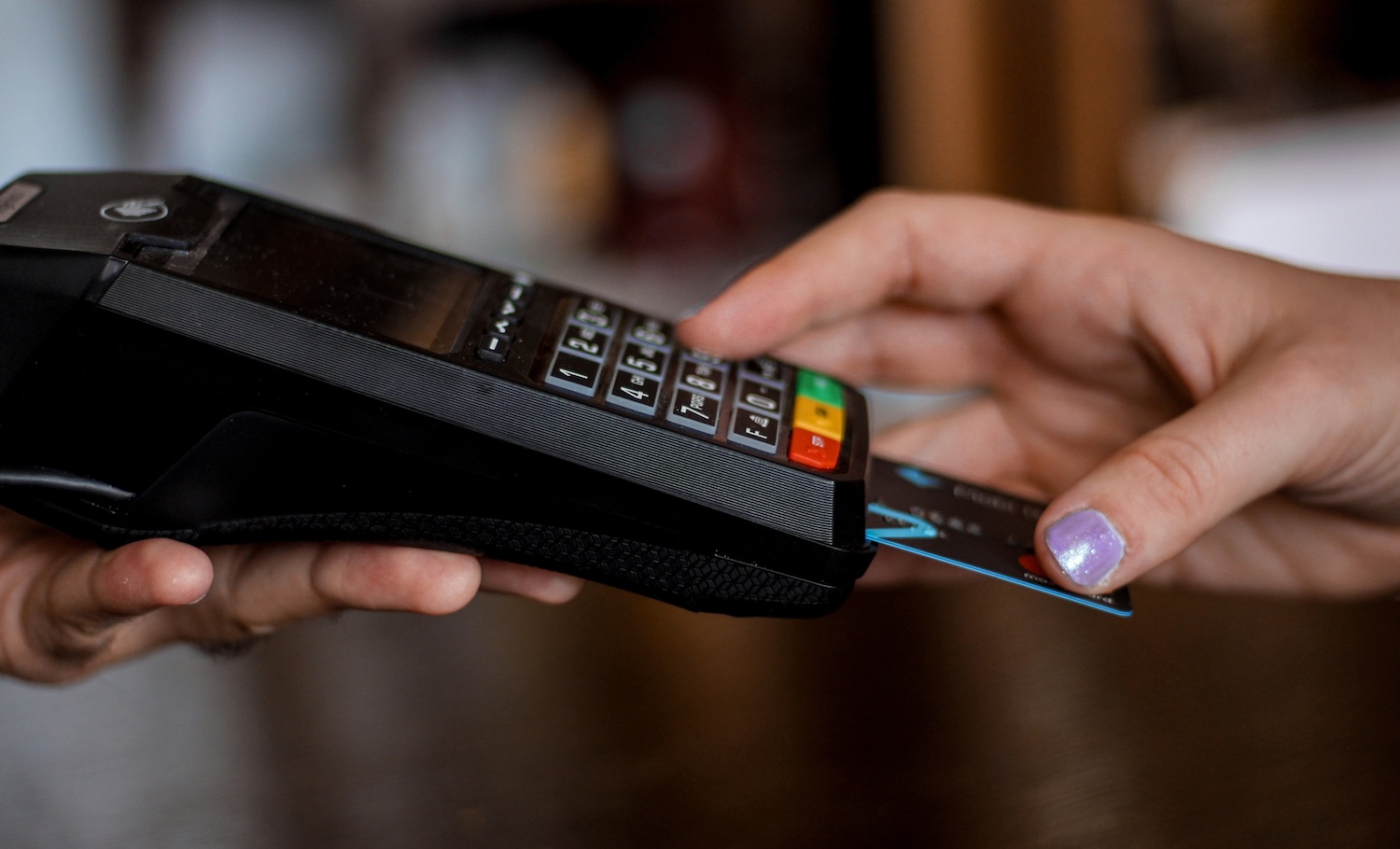
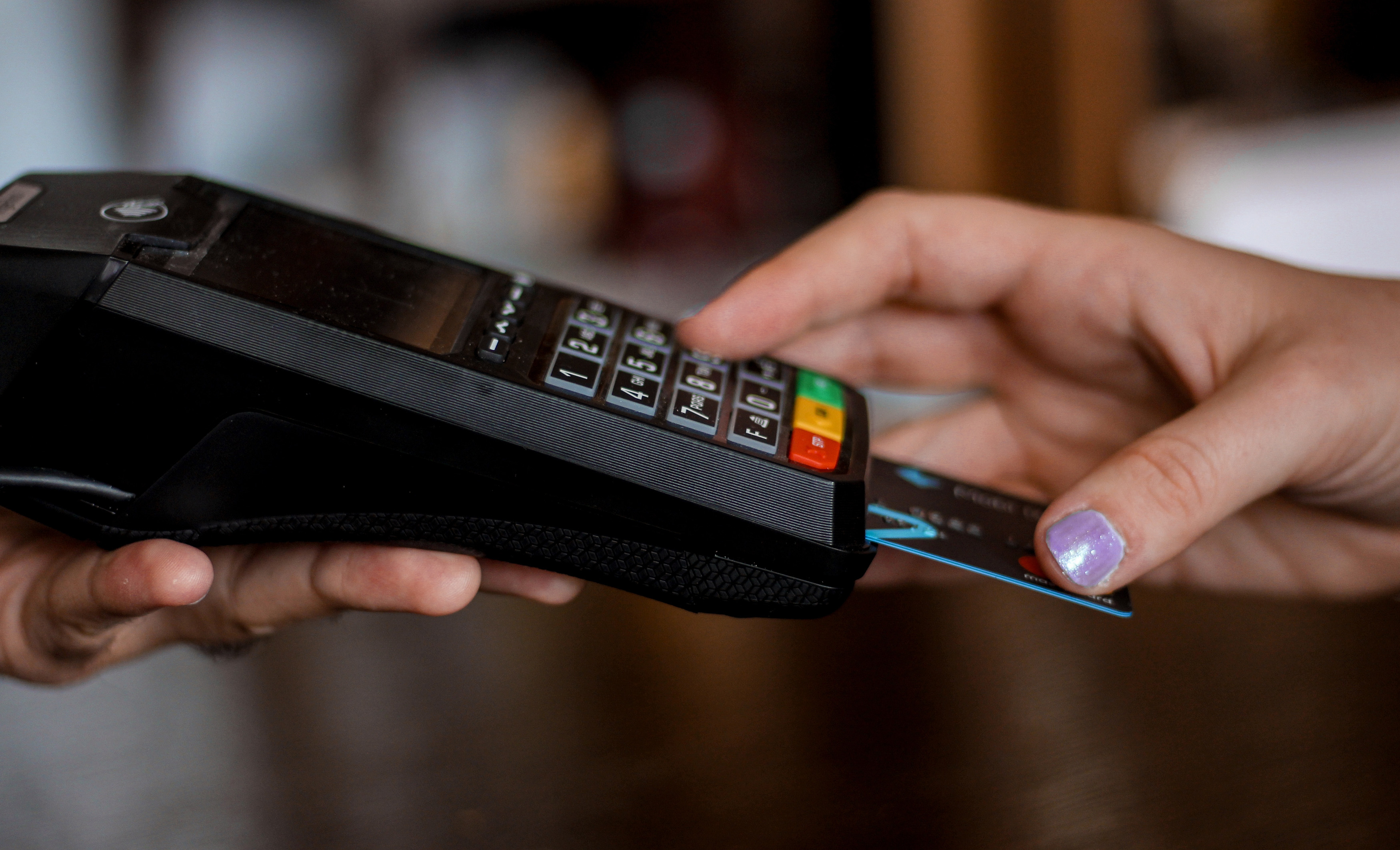
In physical retail, you learn who the shopper is only at the card swipe, after every personalization window has closed. A real-time, identity-based payments infrastructure, not a larger data platform, is the missing layer between what brands know about their customers and what those customers experience at the point of sale.
The expensive blind spot of retail CDPs
CDPs show how consumers engage with retailers across websites, apps, and physical stores. But for many merchants, they still fail to deliver personalized customer experiences. The reason is a blind spot. CDPs can’t identify customers in real time at the physical point of sale.
Yes, your CDP can tell you how customers engaged with your app, navigated your website, or clicked your email. But if you can’t identify who’s standing at your register before they swipe their card, you miss the chance to personalize the CX at checkout.
SAP’s research shows that 54% of enterprises can’t access and use real-time data, 41% of consumers say brands don’t recognize them as a person, and 46% say customer service feels impersonal across the journey.
Increasing your CDP investment or improving data quality won't fix this. Consider a recent trip to a department store, the first thing the cashier asked for was my phone number. It's a fair question, since that’s the moment a store tries to learn who I am. But the store had no way to recognize me at the register.
What CDPs were built to do, and where they stop
CDPs are valuable marketing tools. I lead marketing for a company that sells to retail, restaurant, and fuel brands, and my teams run on customer data. I depend on that data, and I know it can’t tell you who is standing at the register. CDPs ingest first-party data from digital channels, resolve identity across known touchpoints, and build persistent profiles for marketing. They excel at post-transaction segmentation, lifecycle marketing, and campaign personalization in owned digital channels.
They fall short at the most important and most neglected moment in the customer experience: the physical point of transaction. CDPs rely on logged-in experiences, cookie data, device identifiers, and post-purchase records. Online, a retailer can often identify a shopper, even without a login. In physical retail, identity stays unknown until the card swipes, which prevents retailers from delivering unified omnichannel experiences.
The in-store identity problem is structural, not solvable by better data
The CDP identity gap is not a data problem. It’s an infrastructure problem. Retailers can’t identify customers at the moment of transaction, so they can’t fully personalize or optimize the CX.
The cross-channel identity gap that no dashboard can fill
Physical stores still account for the majority of retail sales within the United States. Yet many POS systems capture in-person transaction data without connecting it to a customer’s digital profile in real time. Retailers can’t link loyalty card swipes, associate interactions, and in-store browsing behavior to digital identity signals, so they never build a unified profile across channels.
A CDP knows who the customer was. A real-time identity layer knows who the customer is, right now, and can act on it inside the transaction.
The personalization window closes before the CDP opens
CDP dashboards give you visibility into customer interactions, not the infrastructure to act on them in real time. You can document what happened yesterday in detail but can’t intervene while the customer stands in front of you.
By the time any transaction data flows back into the CDP and triggers the next campaign or segment update, the customer has left the store.
What customers are actually asking
Shoppers know retailers are collecting their data. Many will agree to it, with one condition: the data must be used to deliver personalized and rewarding experiences. But retailers fail to deliver those experiences, and 51% of consumers say companies aren’t meeting their expectations for customer service, up from 46% in 2025.
When data doesn’t translate into action at the moment of service, it feels like surveillance, not customization. Customers ask the obvious question: “If you have all this information about me, why isn’t my experience better?”
Retailers have treated CX optimization as a marketing problem. It is a commerce infrastructure problem.
The real CX layer: Identity-based payments at the point of transaction
Retailers must adopt a real-time, identity-based payments infrastructure, enabled by tokenization, biometrics, and omnichannel recognition, iinstead of waiting for CDP reports.
Recognition before the card is swiped
The point of transaction is not the end of the CX journey. It's the beginning of the next one. A recognized shopper can get personalized recommendations, loyalty program offerings, and experiences that boost customer lifetime value.
At checkout, retailers can use biometric authentication (face, palm, or linked consumer platform credentials) to recognize customers when they initiate a transaction, not after it. One-time enrollment into a biometric platform (e.g., a linked consumer identity such as a digital wallet) means recognition travels with the customer to any merchant location without reenrollment. By reducing friction at checkout, biometrics can also significantly decrease transaction times and improve customer satisfaction.
See how Verifone Biometrics helps retailers transform transactions into curated experiences.
Tokenization as the identity thread across channels
Tokenization lets a customer’s identity travel across channels without exposing sensitive payment data. Link a token to a loyalty profile, purchase history, and payment preferences, and the checkout terminal becomes the recognition layer, not a backend CDP query that fires 24 hours later.
For more on how tokenization powers cross-channel recognition without exposing payment data, see Verifone’s tokenization overview.
Loyalty, order, and payment as one transaction
Placing an order, collecting or redeeming loyalty, and making a payment should be a single unified transaction instead of three separate events. A CDP can’t deliver that from the outside.
That requires an identity infrastructure built into the point of commerce. It must enable boundless payments for seamless checkout and a connected experience, wherever customers buy.
How to close the gap: A framework for retail transformation leaders
Retail CDOs, CMOs, and CIOs can use these four steps to implement a payments infrastructure that identifies customers at the point of sale:
- Audit your identity resolution at the physical point of transaction. Ask: When does our system know who the customer is? If the answer is “at card swipe,” you have already closed the personalization window.
- Map the gap between your CDP activation and your in-store execution. How many hours pass between a transaction and the CDP processing that signal? What can you do inside that window? If the answer is “none,” your CDP is a reporting tool, not a CX engine.
- Evaluate payment infrastructure as identity infrastructure. Ensure it supports tokenization, biometrics, and linked consumer platforms. These are not payment upgrades. They are CX upgrades that happen to run through the payment layer.
- Align loyalty, ordering, and payment under a single recognition event. The goal is not to create new audience segments in your CDP. The goal is to ensure customers feel recognized before they reach the register. That takes unified payment solutions that solve for identity across channels and touchpoints.
Potential issues and strategies to address them
Implementing an identity-based, real-time payments infrastructure can raise pushback from stakeholders. Expect these three obstacles and plan for each.
Privacy and consent concerns
Biometric identity and token-based recognition raise privacy questions for retailers and customers new to these models.
Strategy: Make enrollment opt-in and design for privacy first. Tell customers and stakeholders plainly that tokenization never exposes sensitive payment credentials.
Integration complexity
Many retail stacks are fragmented and carry legacy systems.
Strategy: Plan how payment identity will connect to CDP profiles. Choose a payments infrastructure provider that reduces integration complexity instead of adding to it. Start with a pilot in a few locations, then scale.
Change management
The shift from treating payments as a utility to treating the point of transaction as a CX layer is a business-wide decision, not one department.
Strategy: Get commerce, marketing, and IT in the same room before you start, and agree on who owns the budget.
The transaction is the experience
Many retailers struggle to deliver personalized customer experiences across channels, but CDPs are not the problem. They do what they were built to do. The problem is asking a data aggregator to solve a real-time identity challenge.
The CX breakthrough retail transformation leaders want is a smarter, more connected transaction process that identifies customers at the moment of payment. In my own work, I know who our buyers are before we send the first email. At many registers, the store learns who the shopper is after the sale. The winners won’t have the richest CDP profiles. They will recognize their customers before the receipt prints.
See how to meet customers with seamless and consistent omnichannel experiences however and wherever they shop.
Key takeaways
- Many retailers can’t identify in-store shoppers until the card swipes. By then, every window for real-time personalization has already closed.
- Increasing your CDP investment or expanding your data pool won’t solve your CX problem. CDPs are retrospective tools by design, not real-time CX engines.
- Biometric authentication lets retailers recognize customers at the moment of payment, not after it, and decrease transaction times by reducing friction at checkout.
- Retailers must establish an identity-based payments infrastructure that supports omnichannel transactions and tokenization for secure, real-time authentication.
FAQs
Why do customer data platforms fail to deliver better in-store experiences?
Customer data platforms fail to deliver better in-store experiences because they can’t identify retail customers when they’re at the register. As a result, retailers miss the chance to personalize checkout. This is not a data quality or governance issue. It’s a structural gap in the architecture of CDPs, which are not designed for real-time identification.
What is the difference between a CDP and real-time payment identity infrastructure?
CDPs are retrospective tools that aggregate historical data after customer interactions end. A real-time payment identity infrastructure uses biometrics and tokenization to recognize customers at the physical point of sale and across touchpoints, creating a unified, omnichannel CX.
How does tokenization improve customer experience at the point of sale?
Tokenization lets retailers quickly and securely recognize customers across channels, including digital platforms and physical points of sale. Merchants can create a unified view of each customer journey and deliver cohesive, personalized experiences at each touchpoint.
Can biometrics replace the need for a loyalty card or app login at checkout?
Yes, once a customer enrolls, biometrics can replace the need for a loyalty card or app login at checkout. With a face or palm scan, retailers can authenticate customers and personalize checkout experiences with real-time loyalty offerings and recommended products.
About Verifone

More articles like this